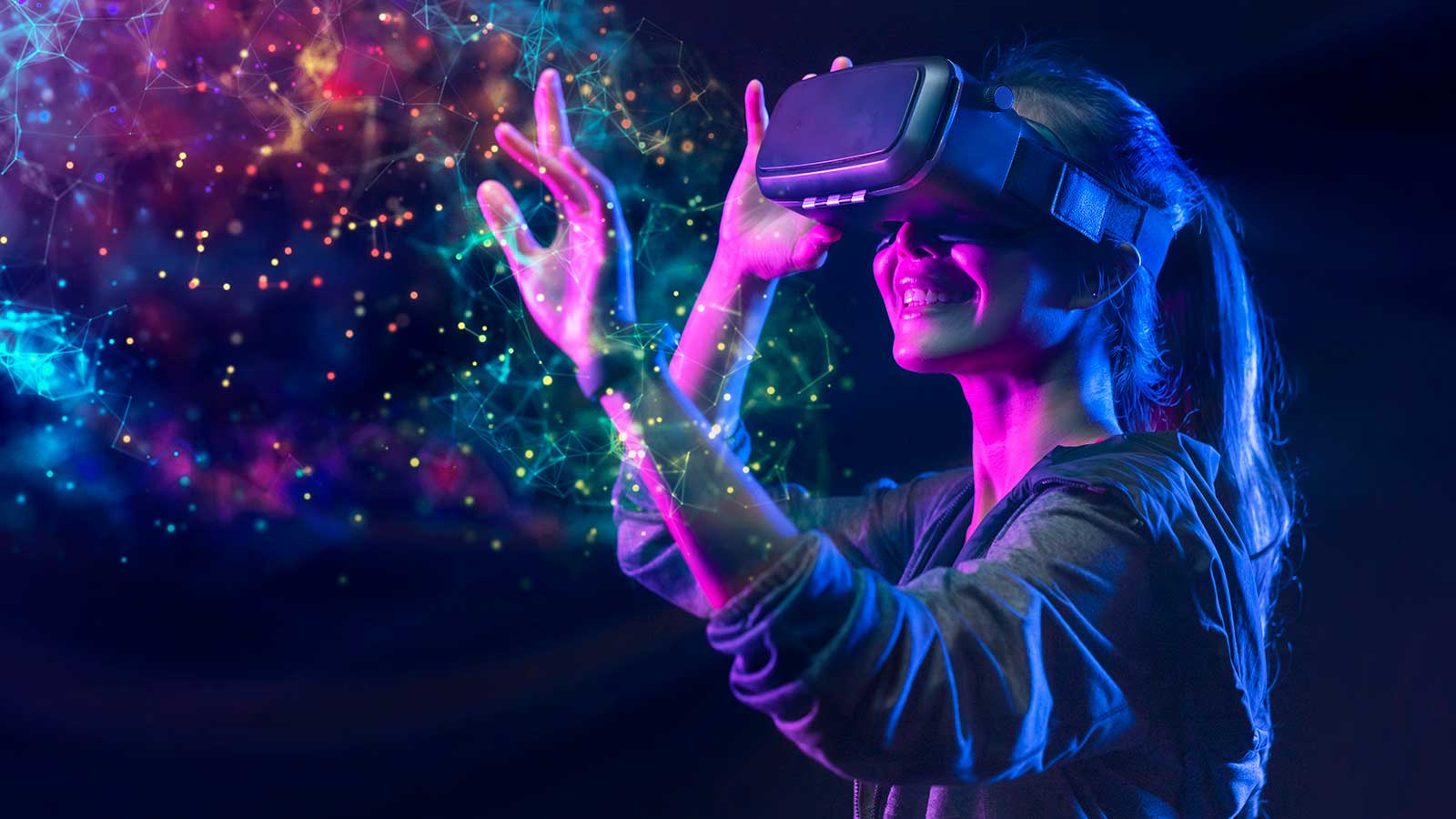
Technological know-how has reworked just about every single facet of the artwork environment, and classic painting procedures aren't any exception. While the essence of brush, pigment, and canvas continues to be central, digital innovation has released new approaches for artists to make, experiment, and share their do the job.
Increasing the Artist’s Toolkit
Probably the most profound means technological innovation has influenced regular painting is by broadening the artist’s toolkit outside of brushes, paints, and canvases. Right now, artists can start out their Innovative process digitally, employing tablets, styluses, and software program systems like Procreate, Photoshop, or Corel Painter to sketch Original Suggestions. These instruments mimic all-natural brushstrokes, textures, and Mixing techniques, making it possible for painters to visualise sophisticated compositions right before applying pigment into a Actual physical surface area. This phase of experimentation is a must have—it encourages threat-getting and exploration without the concern of throwing away costly elements. Let's investigate the effects of engineering with me, Gustav Woltmann.
For painters Performing in traditional mediums like oil or watercolor, digital platforms present a means to pre-strategy colour palettes with remarkable precision. Artists can test how warm and funky tones interact or preview how lights has an effect on depth, preserving time in the course of the actual painting procedure. Equally, 3D modeling software enables artists to construct lifelike references, providing them bigger control more than viewpoint and proportion, specially for intricate compositions involving architecture or human anatomy.
Importantly, the integration of digital resources doesn’t dilute the authenticity of standard portray—it boosts it. Artists continue to rely on their tactile skill, sensitivity to brush strain, and command of layering tactics, but now they might approach the canvas having a clearer vision and refined program. In reality, quite a few artists Mix both worlds, starting with digital drafts and finishing with conventional execution, generating performs that Blend precision and human contact.
By increasing the toolkit, know-how hasn't replaced painting’s essence—it has unlocked new dimensions of creativeness. It permits standard painters to experiment far more freely, refine their follow, and drive the boundaries of visual storytelling though being grounded from the timeless act of painting.
New Components and Mediums
Breakthroughs in science and technologies have revolutionized the extremely materials painters use, reshaping what can be done within just classic painting practices. In before hundreds of years, artists relied on organic pigments derived from minerals, plants, or insects—resources which were typically uncommon, unstable, or susceptible to fading as time passes. Today, chemistry and materials science have introduced artificial pigments with higher longevity, regularity, and vibrancy, ensuring that hues continue to be as striking many years later on since they have been around the working day of application.
One of the most important innovations has actually been the refinement of acrylic paints. Initial made while in the 20th century, acrylics dry speedier than oils, resist cracking, and can be utilized on numerous types of surfaces, from canvas and wood to plastics and metals. Modern-day formulations even mimic the richness and blending traits of oils or the translucency of watercolors, presenting painters flexibility devoid of sacrificing conventional aesthetics. In the same way, specialized varnishes and protective coatings protect paintings from UV rays, moisture, and pollutants, extending their longevity in strategies unimaginable to before generations.
New mediums usually are not restricted to pigments alone. Artificial brushes designed to mimic organic bristles are getting to be a lot more long lasting and versatile, even though eco-friendly goods are progressively changing harmful solvents. Technological innovation has also expanded the Actual physical surfaces artists can paint on—treated metals, acrylic panels, and in some cases fabrics created for pigment retention open up up novel avenues of expression whilst preserving the tactile essence of portray.
These improvements are not departures from tradition but evolutions that respect it. By giving for a longer period-lasting supplies and a lot more adaptable mediums, technological know-how makes certain that conventional painting strategies can thrive in modern-day contexts. Artists currently inherit generations of artistic practice whilst benefiting from resources that preserve their operate vivid and enduring for long run generations.
Sharing and Collaboration
Technological know-how has reworked how painters share their do the job and collaborate, reshaping the social dimension of traditional artwork. In the past, an artist’s reach was restricted to area exhibitions, galleries, or commissions, often constrained by geography and social networking sites. Now, electronic platforms like Instagram, Behance, and DeviantArt allow for painters to existing their get the job done promptly to world wide audiences, bypassing classic gatekeepers even though even now complementing proven art institutions. This visibility has democratized entry, providing emerging artists the same platforms as renowned professionals.
Collaboration has also entered a completely new period. Painters no more have to be in exactly the same studio—or even a similar place—to Trade Suggestions, techniques, and feed-back. By on the web communities, video clip phone calls, and collaborative applications, artists can co-develop pieces, critique one another’s perform, or host live-streamed portray periods that invite real-time conversation. This cross-cultural dialogue enriches standard painting techniques by introducing artists to varied styles, coloration theories, and cultural aesthetics, which might inspire contemporary methods to their very own do the job.
Technological innovation has even enabled interdisciplinary collaborations. Painters function together with digital artists, animators, and technologists to build hybrid assignments that Incorporate classic brushwork with augmented reality or projection mapping. These partnerships broaden what portray may be—not simply a static image on canvas, but Component of interactive, immersive encounters.
Importantly, the sharing part is not just about visibility and also about training and Local community-developing. Tutorials, time-lapse video clips, and procedure breakdowns let painters to teach and find out from each other across borders, making certain the survival and evolution of common strategies.
By breaking down geographic and institutional boundaries, technologies has manufactured portray a more interconnected, collaborative, and dynamic art sort. The canvas is no longer confined to some studio wall; it exists in a world community of shared creativity.
Preserving Tradition By means of Know-how
While technological innovation normally drives innovation, certainly one of its most profound impacts on painting lies in preservation. Classic artworks, Primarily These hundreds of years outdated, are liable to time, environmental damage, and human handling. Engineering now delivers impressive tools to protect, restore, and document these treasures although guaranteeing that regular procedures remain accessible to long term generations.
Large-resolution imaging and digital scanning let museums and conservationists to review paintings in amazing depth, revealing underdrawings, brushstroke designs, or pigments invisible on the bare eye. Infrared and X-ray systems, by way of example, uncover artists’ initial sketches beneath levels of paint, offering Perception into historical strategies and choices although guiding correct restoration. This sort of equipment not merely protect the integrity of artworks but additionally deepen our knowledge of how conventional methods evolved.
Advanced materials also add to preservation. Conservation experts now utilize specialized varnishes, adhesives, and protective coatings that stabilize fragile works without altering their visual appearance. Electronic archiving even more assures longevity—masterpieces are captured in in depth reproductions, permitting people worldwide to working experience them just about whether or not the originals are as well delicate to Exhibit.
Importantly, technological innovation also preserves tradition by earning expertise extensively accessible. On the net databases, video clip tutorials, and electronic reconstructions hold endangered strategies—like fresco portray or tempera—alive, passing them on to new generations of artists. Virtual reality reconstructions of historic studios or workshops immerse learners from the environments in which traditional procedures thrived.
Much from changing tradition, technological know-how acts as a guardian, safeguarding both equally artworks and methods from remaining lost to time. It makes sure that the brushstrokes of the previous continue to encourage future creators, Mixing preservation with accessibility. In this manner, engineering becomes not only a Software for innovation but a custodian of artistic heritage.
Summary
Technology’s romance with traditional painting is not really about replacement, but improvement. It expands the artist’s toolkit with new electronic aids, introduces revolutionary elements and mediums, and reshapes how artists share and collaborate across borders. At the same time, it performs an important function in preservation—safeguarding priceless works, archiving fragile strategies, and guaranteeing that generations-old traditions continue to be applicable inside a speedily switching world.
As opposed to erasing the tactile, human essence of brush on canvas, technological click here know-how amplifies it, offering artists and audiences new techniques to attach, study, and experience painting. The result is actually a dynamic interaction wherever the earlier and existing coexist: age-old techniques enriched by modern day equipment, and modern day experiments grounded in record. As artists continue to navigate this evolving landscape, the fusion of tradition and technologies guarantees painting remains a vital, progressive, and timeless art kind.